
Choosing the right forklift is a critical decision for any warehouse or logistics operation. The wrong equipment can slow down daily tasks, increase maintenance costs, and even create safety risks for workers. Before purchasing a forklift, warehouse managers should carefully evaluate several important factors to ensure the equipment fits their operational needs.
First, load capacity is one of the most important considerations. Every forklift is designed to carry a specific maximum weight. If the forklift regularly handles loads heavier than its rated capacity, it can lead to equipment damage and serious safety hazards. Understanding the typical weight of goods in your warehouse will help you choose a forklift that can safely handle your workload.
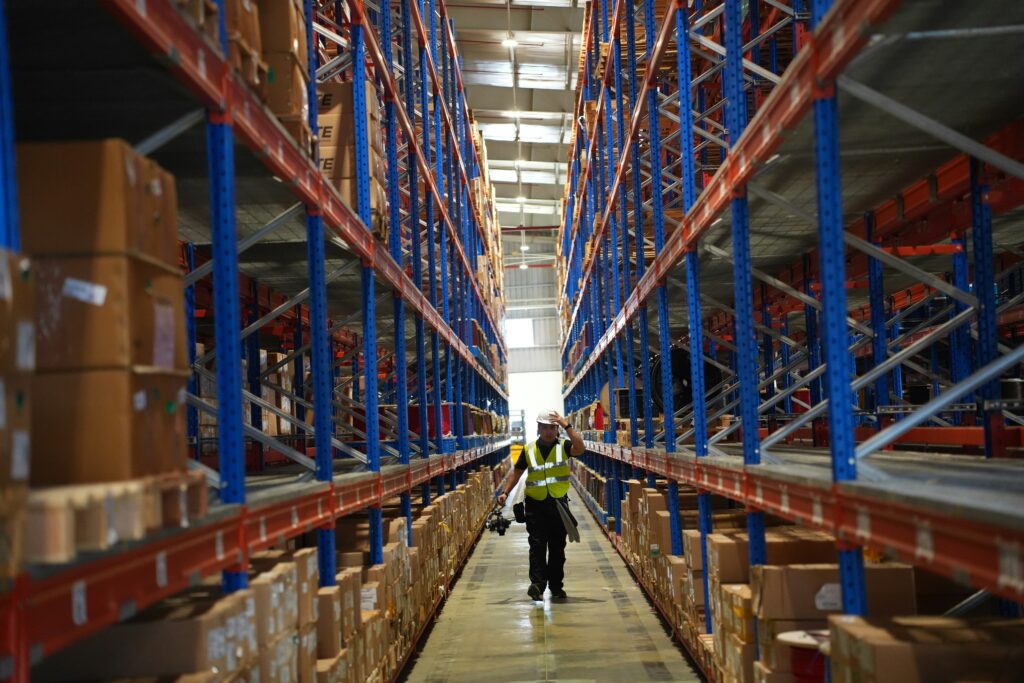
Another key factor is lift height. Warehouses with high shelving systems require forklifts that can reach greater heights without compromising stability. Selecting a forklift with the appropriate lifting capability ensures that goods can be stored and retrieved efficiently, especially in facilities with vertical storage systems.
When a company invests in the right equipment, tasks can be completed faster and with greater accuracy. Workers spend less time struggling with inefficient machines and more time focusing on productive activities. This leads to smoother workflows, reduced downtime, and improved operational performance
5 Things to Check Before Buying a Forklift
- Load capacity — always match the forklift’s rated capacity to your heaviest loads
- Lift height — ensure the mast height suits your racking and ceiling clearance
- Power type — choose between electric, LPG, or diesel based on your environment
- Aisle width — counterbalance or reach truck depends on how tight your aisles are
- After-sales support — reliable service and spare parts availability matter as much as the machine itself