
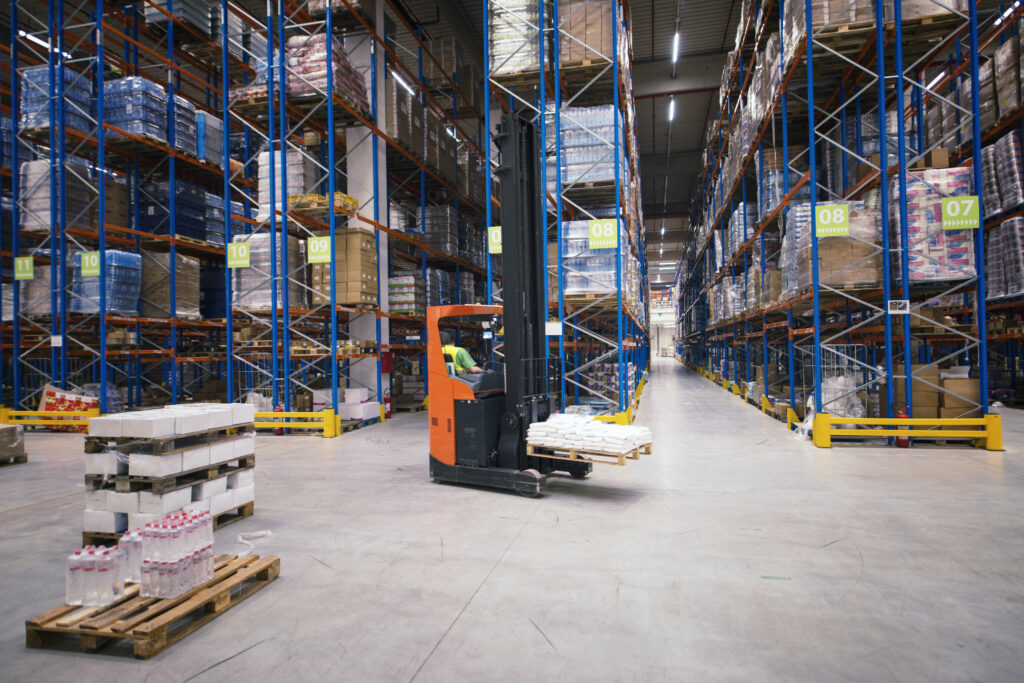
Choosing between electric and LPG forklifts is an important decision for warehouses and logistics operations. Each type has its own advantages depending on the working environment, operational requirements, and budget. Understanding the differences can help businesses select the right equipment for better efficiency and long-term performance
Forklifts are essential for handling materials in warehouses, manufacturing units, and distribution centers. When purchasing a forklift, one of the most important choices businesses face is selecting the right power source. Electric forklifts and LPG (Liquefied Petroleum Gas) forklifts are two of the most commonly used types, and each offers unique benefits depending on the operational environment.
Electric forklifts are becoming increasingly popular, especially for indoor warehouse operations. They run on rechargeable batteries and produce zero emissions, making them ideal for environments where air quality is important. Because they do not produce exhaust fumes, electric forklifts are commonly used in food storage facilities, retail warehouses, and indoor logistics centers.
LPG forklifts also tend to handle heavier loads more easily and can perform well in demanding environments such as construction sites, large warehouses, and industrial yards. Businesses that require high performance and longer operating hours often find LPG forklifts to be a reliable option.
Electric vs LPG Forklifts: Operational Advantages
Another advantage of electric forklifts is that they operate more quietly compared to LPG forklifts. This can create a more comfortable working environment for employees and reduce noise pollution in the facility. Electric forklifts also generally have fewer moving parts, which means lower maintenance requirements and reduced long-term service costs. On the other hand, LPG forklifts are known for their power and versatility. They use gas cylinders as fuel and can operate both indoors and outdoors with proper ventilation. LPG forklifts are often preferred in industries that require continuous operation because refueling a gas cylinder is faster than charging a battery can u give the title for this da?
- Operating environment — electric forklifts are ideal for indoor use, while LPG forklifts can work both indoors (with ventilation) and outdoors
- Maintenance needs — electric forklifts usually require less maintenance due to fewer moving parts
- Refueling time — LPG forklifts can be refueled quickly, while electric forklifts require battery charging
- Noise level — electric forklifts operate more quietly than LPG models
- Operating cost — electric forklifts often have lower long-term operating costs, while LPG forklifts may have higher fuel expenses