Traditional supply chains follow a "take-make-waste" model. Circular supply chains aim to close the loop by designing products and packaging that can be reused, refurbished, or recycled, drastically reducing environmental impact.
Optimizing Reverse Logistics for Sustainability
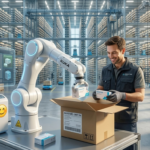
Reverse logistics involves managing product returns efficiently. In a circular model, returned items aren’t just thrown away; they are inspected, repaired, and resold, or their parts are harvested for new products.
Using Biodegradable and Renewable Materials
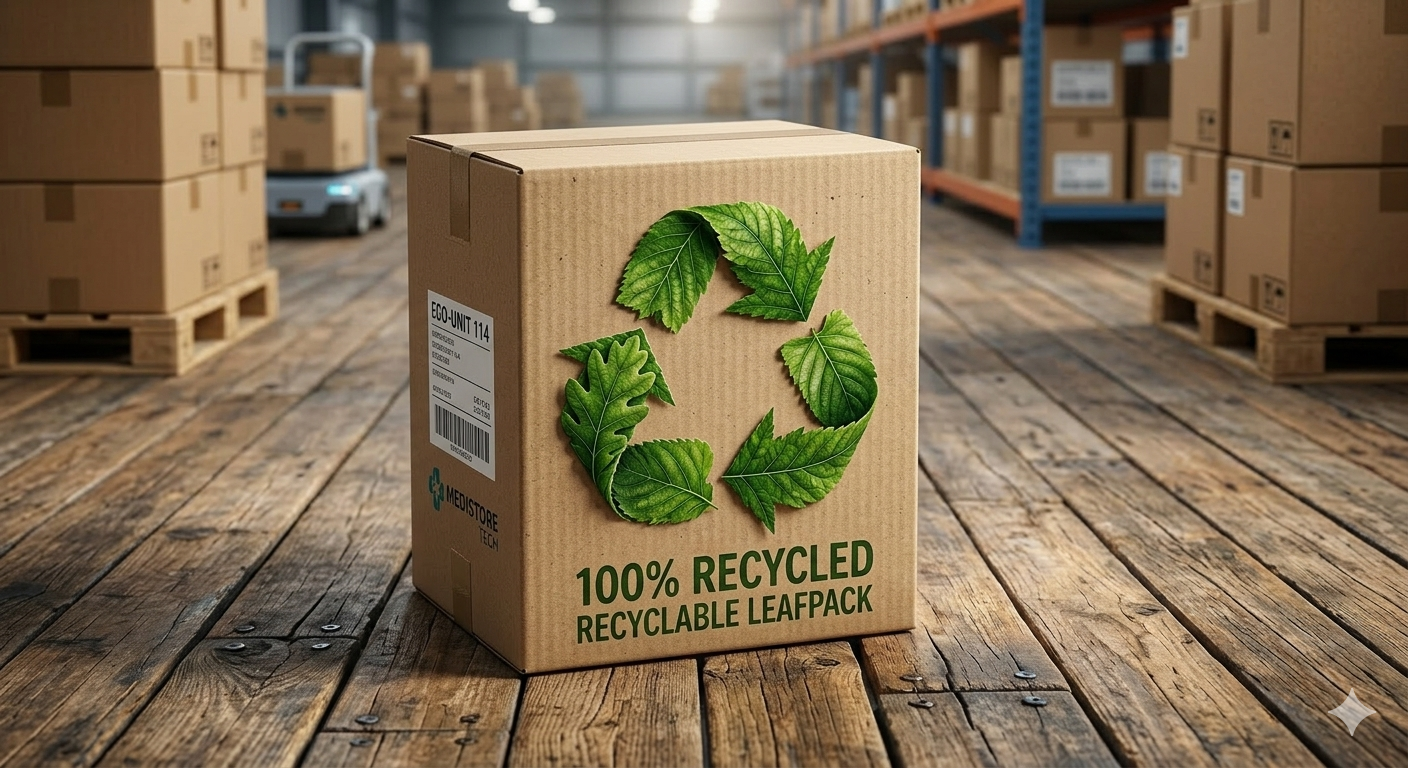
Companies are increasingly using mushroom-based packaging, seaweed wraps, and recycled plastics. These materials provide the same protection as traditional foam but break down naturally, leaving no trace in the environment.
“Waste is simply a resource in the wrong place; circularity puts it back where it belongs.”
Shifting from Linear to Circular Models
Circular supply chains aim to close the loop by designing products and packaging that can be reused, refurbished, or recycled, drastically reducing environmental impact.
Reducing Raw Material Extraction and Costs
By recycling materials within the supply chain, companies reduce their reliance on expensive raw materials. This not only helps the planet but also makes the business more resilient to global commodity price fluctuations.