
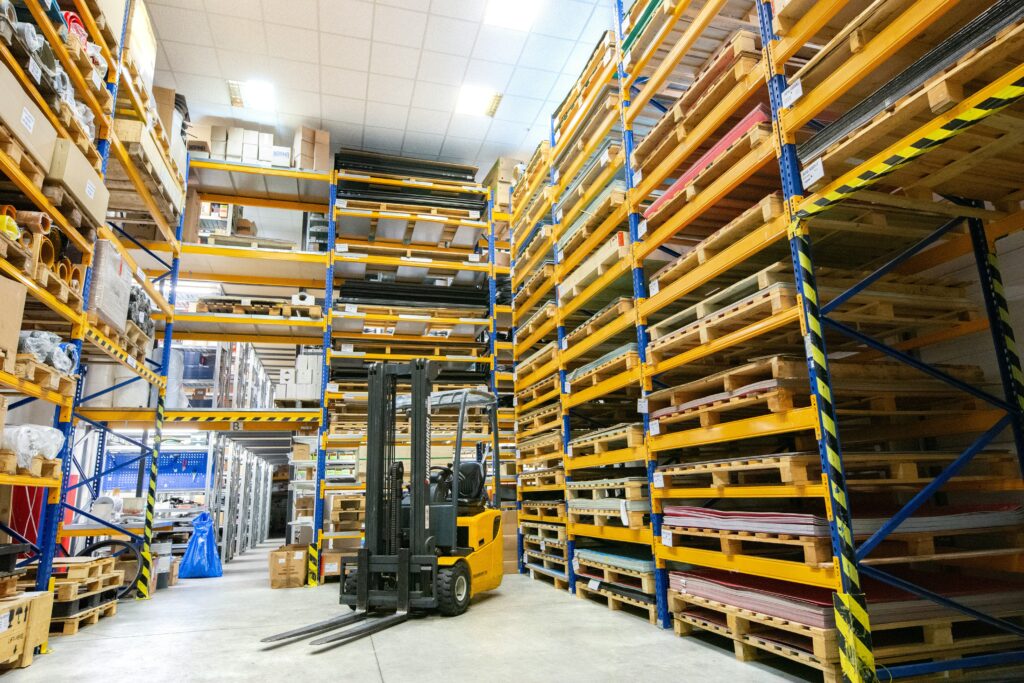
Forklifts play a vital role in warehouse and industrial operations. When they are not properly maintained, they can lead to safety hazards, reduced productivity, and costly repairs. Identifying early warning signs of forklift problems can help businesses prevent major breakdowns and ensure smooth daily operations.
Forklifts are essential machines in warehouses, construction sites, and logistics operations. They help move heavy loads efficiently and keep daily workflows running smoothly. However, like any piece of machinery, forklifts require regular maintenance to perform safely and effectively. Ignoring early warning signs can lead to unexpected breakdowns, costly repairs, and potential safety risks for operators.
One of the most common signs that a forklift needs servicing is unusual noises. If you hear grinding, knocking, or squealing sounds during operation, it may indicate problems with the engine, transmission, or braking system. Addressing these issues early can prevent serious mechanical damage.
Fluid leaks are also a clear warning sign that maintenance is needed. Forklifts rely on several fluids such as hydraulic oil, engine oil, and coolant to function properly. Any visible leaks on the floor or around the machine should be inspected and repaired to avoid equipment damage.
Operators should also pay attention to warning lights or dashboard alerts. Modern forklifts often have monitoring systems that indicate when there is a problem with the engine, battery, or other internal components. Ignoring these alerts can lead to bigger technical issues over time.
Finally, excessive vibrations during operation can signal worn tires, loose components, or mechanical imbalance. Vibrations not only affect operator comfort but can also damage sensitive parts of the forklift if left unchecked.
Regular servicing and timely inspections help ensure forklifts remain safe, efficient, and reliable. Businesses that prioritize equipment maintenance can reduce downtime, extend the lifespan of their machines, and maintain a safer working environment for their employees.
- Unusual noises — grinding, knocking, or squealing sounds may indicate engine or brake issues
- Difficulty lifting loads — slow or weak lifting may signal hydraulic system problems
- Fluid leaks — oil or hydraulic fluid leaks should be inspected and fixed immediately
- Warning lights on dashboard — alerts indicate potential mechanical or electrical issues
- Excessive vibrations — vibrations may be caused by worn tires or loose mechanical components